Sydney Sports Podiatry
Osgood-Schlatter’s Condition
Osgood-Schlatter’s is a common cause of knee pain in growing adolescents. It results from localised inflammation of the patellar ligament at the tibial tuberosity—the small bony bump located just below the centre of the knee.
The underlying mechanism involves tension on the growth plate of the upper tibia (shinbone), which is repeatedly put under stress during sports involving running and jumping. The condition is typically characterised by pain during activity that eases with rest, and it can affect one or both knees.
Initial Management – Options for Home:
- Rest: Allowing the area time to recover from high-impact loading.
- Ice: To help manage localised discomfort after activity.
- Activity Modification: Reducing training volume or intensity during flare-ups.
- Stretching: Gentle flexibility exercises for the quadriceps and hamstrings as advised by a practitioner.
Understanding Osgood-Schlatter’s
Symptoms:
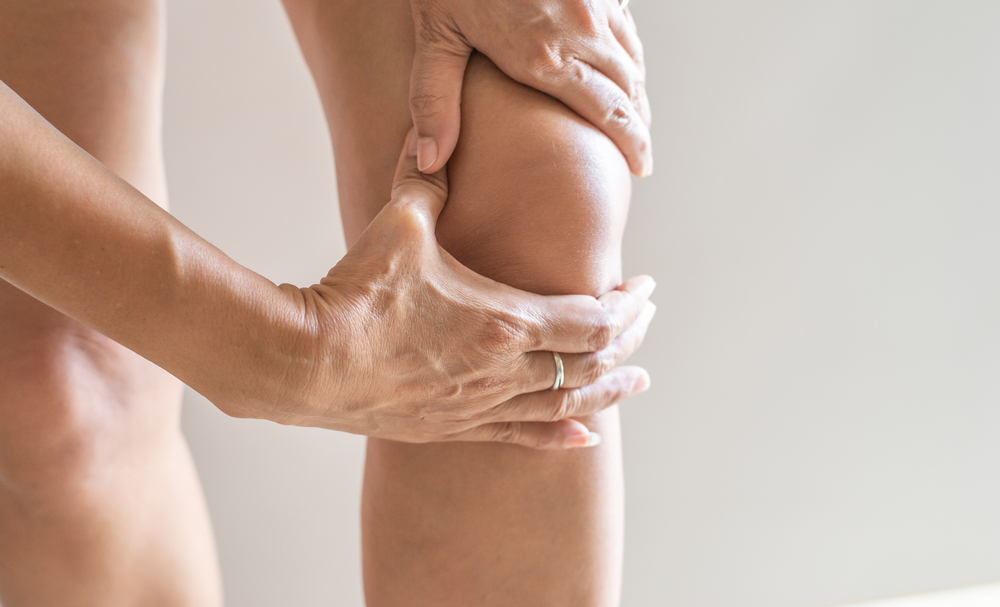
The primary symptoms include pain and swelling just below the kneecap. This discomfort often increases during activities such as running, jumping, or climbing stairs, and typically eases with rest.
Causes:
The condition is caused by repetitive stress or tension on parts of the developing skeleton. This occurs where the patellar tendon attaches to the shinbone, often during significant growth spurts when bones, muscles, and tendons are adapting at different rates.
Who is at risk?
Adolescents who participate in sports such as football, gymnastics, basketball, and distance running may have a higher predisposition to this condition due to the repetitive loading involved in these activities.
Clinical Assessment:
Health practitioners typically evaluate Osgood-Schlatter’s based on a physical examination and clinical history. At Sydney Sports Podiatry, we assess the biomechanical factors of the lower limb that may be contributing to increased stress on the knee. In some cases, a referral for an X-ray may be recommended to evaluate the growth plate or rule out other causes of knee pain.
Visit One of Our 4 Sydney Clinics

Sydney Sports Podiatry Blog
View the latest from our Sydney Sports Podiatry Blog for information on lower limb health and injury management